

The correction during Q3-25 to Dh5,270 is healthy and reflects changes in the types of EVs being insured,” said Avinash Babur, CEO of InsuranceMarket.ae. “There clearly is a more ‘refined’ understanding among UAE insurers of the risks in this segment.”
This shift comes from the changing mix of EVs on the road. Early adoption by brands like Tesla has now expanded to include many Chinese manufacturers. This broadens price points, risk profiles, and insurance structures.
The decline in premiums comes at a crucial time. Last year’s heavy rains and flooding had pushed up costs significantly. Dealers worried that rising premiums were reducing demand. One source at a leading Chinese dealership said, “Potential buyers are concerned about an immediate hit on insurance after the first 12 months of ownership, when they have free motor cover. If EV insurance rates are dropping, that’s the best news.”
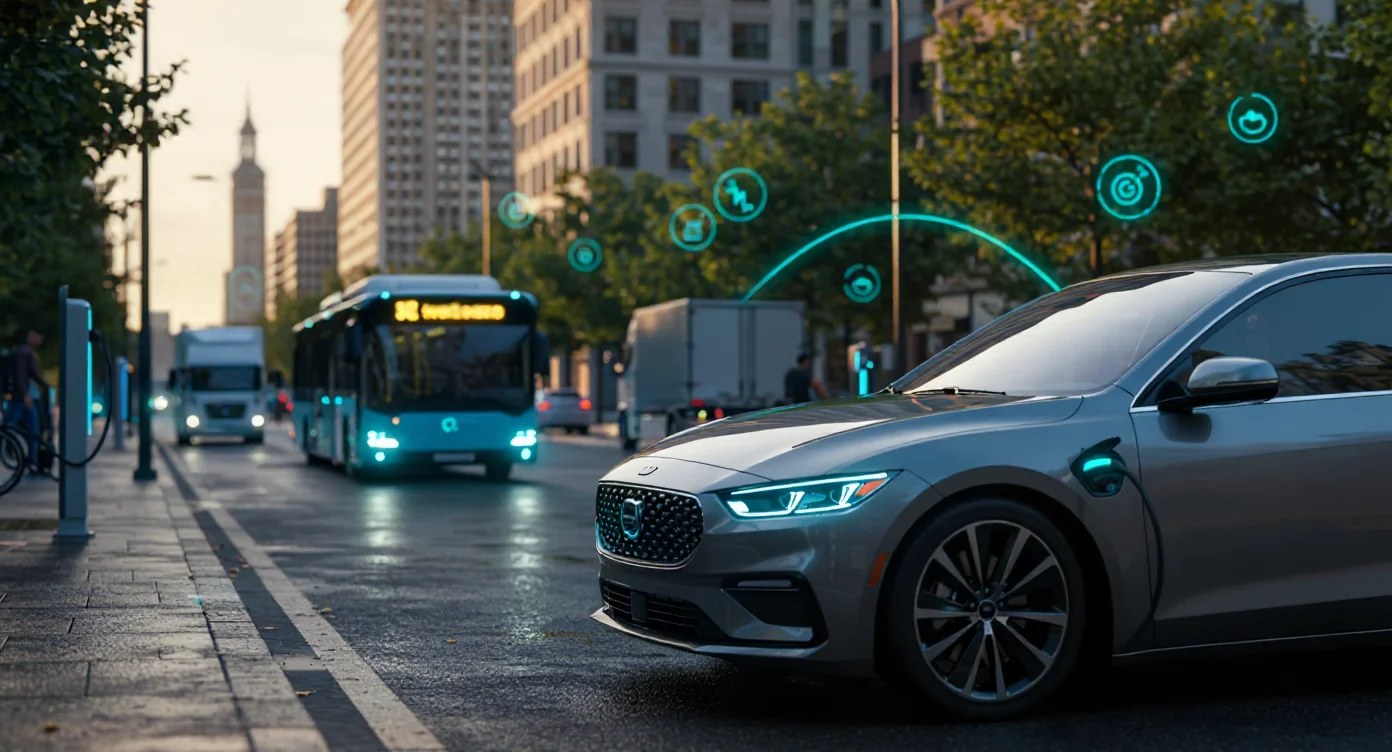
Despite challenges, EV sales in the UAE continue to rise. Teslas, BYDs, and other models are becoming increasingly common on the roads. Chinese manufacturers, in particular, are expanding market share through competitive pricing, extended warranties, and after-sales support.
Affordability remains a key factor. “While Chinese EVs remain attractive due to their pricing and features, the cost of insuring them is rising rapidly,” said Anas Mistareehi, CEO of eSanad. “If this continues, the UAE insurance regulator may impose guidelines to standardize underwriting practices and improve pricing transparency across the EV segment.”
For now, the gradual decline in premiums gives relief to EV owners and reassurance to dealers. If the trend continues, it could remove a major barrier to adoption and accelerate the UAE’s transition to electric mobility.
As the country strengthens its role in sustainable transport, affordability, insurance, and policy will remain central topics. The Electric Vehicle Innovation Summit (EVIS) and EcoMobility Global (EMG), on 13–14 October 2026 at ADNEC, Abu Dhabi, will provide a vital platform. Automakers, insurers, regulators, and policymakers will explore solutions to make EV adoption more accessible and scalable.